…Here’s how much people love dead Jews: Anne Frank’s diary, first published in Dutch in 1947 via her surviving father, Otto Frank, has been translated into 70 languages and has sold over 30 million copies worldwide, and the Anne Frank House now hosts well over a million visitors each year, with reserved tickets selling out months in advance. But when a young employee at the Anne Frank House in 2017 tried to wear his yarmulke to work, his employers told him to hide it under a baseball cap. The museum’s managing director told newspapers that a live Jew in a yarmulke might “interfere” with the museum’s “independent position.” The museum finally relented after deliberating for six months, which seems like a rather long time for the Anne Frank House to ponder whether it was a good idea to force a Jew into hiding.
…[The] runaway success of Anne Frank’s diary depended on playing down her Jewish identity: At least two direct references to Hanukkah were edited out of the diary when it was originally published. Concealment was central to the psychological legacy of Anne Frank’s parents and grandparents, German Jews for whom the price of admission to Western society was assimilation, hiding what made them different by accommodating and ingratiating themselves to the culture that had ultimately sought to destroy them. That price lies at the heart of Anne Frank’s endless appeal. After all, Anne Frank had to hide her identity so much that she was forced to spend two years in a closet rather than breathe in public. And that closet, hiding place for a dead Jewish girl, is what millions of visitors want to see.
…And here is the most devastating fact of Frank’s posthumous success, which leaves her real experience forever hidden: We know what she would have said, because other people have said it, and we don’t want to hear it.
The line most often quoted from Frank’s diary—“In spite of everything, I still believe that people are really good at heart”—is often called “inspiring,” by which we mean that it flatters us. It makes us feel forgiven for those lapses of our civilization that allow for piles of murdered girls—and if those words came from a murdered girl, well, then, we must be absolved, because they must be true. That gift of grace and absolution from a murdered Jew (exactly the gift, it is worth noting, at the heart of Christianity) is what millions of people are so eager to find in Frank’s hiding place, in her writings, in her “legacy.” It is far more gratifying to believe that an innocent dead girl has offered us grace than to recognize the obvious: Frank wrote about people being “truly good at heart” three weeks before she met people who weren’t.
Here’s how much some people dislike living Jews: They murdered six million of them. Anne Frank’s writings do not describe this process. Readers know that the author was a victim of genocide, but that does not mean they are reading a work about genocide. If that were her subject, it is unlikely that those writings would have been universally embraced.
We know this because there is no shortage of texts from victims and survivors who chronicled the fact in vivid detail, and none of those documents has achieved anything like the fame of Frank’s diary. Those that have come close have only done so by observing the same rules of hiding, the ones that insist on polite victims who don’t insult their persecutors. The work that came closest to achieving Frank’s international fame might be Elie Wiesel’s Night, a memoir that could be thought of as a continuation of Frank’s experience, recounting the tortures of a 15-year-old imprisoned in Auschwitz. As the scholar Naomi Seidman has discussed, Wiesel first published his memoir in Yiddish, under the title And the World Kept Silent. The Yiddish book told the same story, but it exploded with rage against his family’s murderers and, as the title implies, the entire world whose indifference (or active hatred) made those murders possible. With the help of the French Catholic Nobel laureate François Mauriac, Wiesel later published a French version of the book under the title Night—a work that repositioned the young survivor’s rage into theological angst. After all, what reader would want to hear about how his society had failed, how he was guilty? Better to blame God. This approach did earn Wiesel a Nobel Peace Prize, as well as a spot in Oprah’s Book Club, the American epitome of grace…
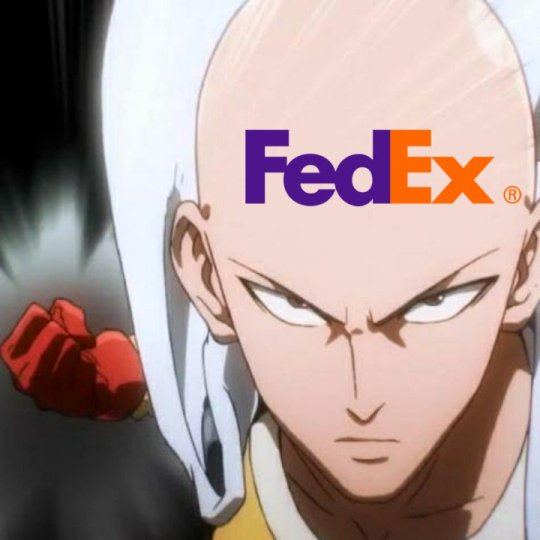
A white man was throwing racial slurs at a Black FedEx Driver. He started Punching the driver, the FedEx driver punched him back one time, killing the man with One Punch.
He wont be indicted for the racist scumbags death either! Win!
Magnuson’s death from the fall was precipitated by “extremely poor health,” a medical examiner concluded, and the punch itself was not fatal, Senior Deputy District Attorney Adam Gibbs wrote.
Warren was within his legal right to challenge Magnuson’s “racist vitriol,” Gibbs noted, and said that Warren’s decision to confront Magnuson — rather than ignore him — was not legally significant.
Please keep up this energy of racists dropping dead on my dash.
So after the many many posts mourning the passing of Stan Lee earlier today I’ve started seeing an inevitable wave of backlash about how he actually wasn’t a good person and we shouldn’t be mourning them. And these posts are par for the course when a celebrity dies because no one is all good or all bad, and that’s fine. And Stan Lee was human, he was a person with a complicated life and a complicated legacy, and I’m not here to whitewash any of that. However, I’d like to refute a couple of the points I’ve seen people making.
And while your mileage may vary on how much you agree with him there, it’s a far cry from him cruelly declaring Peter Parker having a boyfriend would be an affront before God and man and an insult to his authorial intent or whatever. Also, I think the original post that started this story was about Andrew Garfield saying something while doing press for Amazing Spiderman 2 and Stan Lee writing the contract as a result, but the contract is from 2011 and the first Amazing Spiderman came out in 2012, so the timeline doesn’t work. I could be misremembering the post though. There’s also this implied narrative that Andrew Garfield got axed for saying his Peter Parker was bi, but uh, no. No, they cancelled the franchise because Amazing Spiderman 2 bombed at the box office.
Now, to wrap it up, was Stan Lee a good and perfect man? No. His legacy is very much a mixed bag, especially when it comes to his relationship with his long-time co-creator Jack Kirby (although that’s a whole other suitcase to unpack some other time). I would like to point out, however, that the posts praising him aren’t all just blindly hero-worshipping him and being willfully ignorant. When someone you admire dies it’s natural to forget about the bad parts of them for a bit and get a little misty eyed, and not everyone’s gonna be totally objective about this man that they never met but who represents something important to them. I think that speaks more to the way we interact with celebrity as a culture than it does about the way Marvel fans see Stan Lee frankly. And hey, we gain nothing by pretending that Stan Lee wasn’t an important figure in comic book history, one who co-created the first black character in mainstream comics just two years after the Civil Rights Act was passed, who fought the Comic Code Authority censors to use comics to tackle heavy subject matter, who helped bring legitimacy to the art form and humanity to its characters. So as long as I’ve got you here I’m gonna leave you with his thoughts on racism in 1968, words that feel just as relevant today:
a nine-day, non-denominational ritual honoring transgender individuals who have passed on
an act of solidarity with the lineage of transgender ancestors who have come before us and paved the way, as well as with the descendents who will come after us when we are gone
a chance to share tenderness and kindness with the restless spirits of transgender people who lost their lives to violence
an opportunity for living transgender folks, including those who have lost trans loved ones, to grieve, mourn, and pray
a labor of love from a multiracial group of trans spirit workers, each at various stages of study in ancestor veneration practices, who have been putting on this ritual since 2014
We’re just under a week out from the 2018 starting date – our fifth year of organizing this ritual – and we hope that you will join us. Please reblog to help others find us.
middle aged white man with trump maga van sends pipe bombs and anthrax to 13 prominent democratic politicians, donors, and media outlets.
middle aged white man who claims he ‘doesn’t shoot whites’ attempts to enter a black church for a massacre, fails, and murders two random black strangers in a grocery store.
white man yells ‘all jews must die!’ before entering a synagogue during shabbat and opening fire. the news is still breaking, but at least eight people are confirmed dead.
this comic by Matt Lubchansky pretty much summarizes my feelings about companies that try to sell products using oppressed groups’ mass deaths as a marketing technique
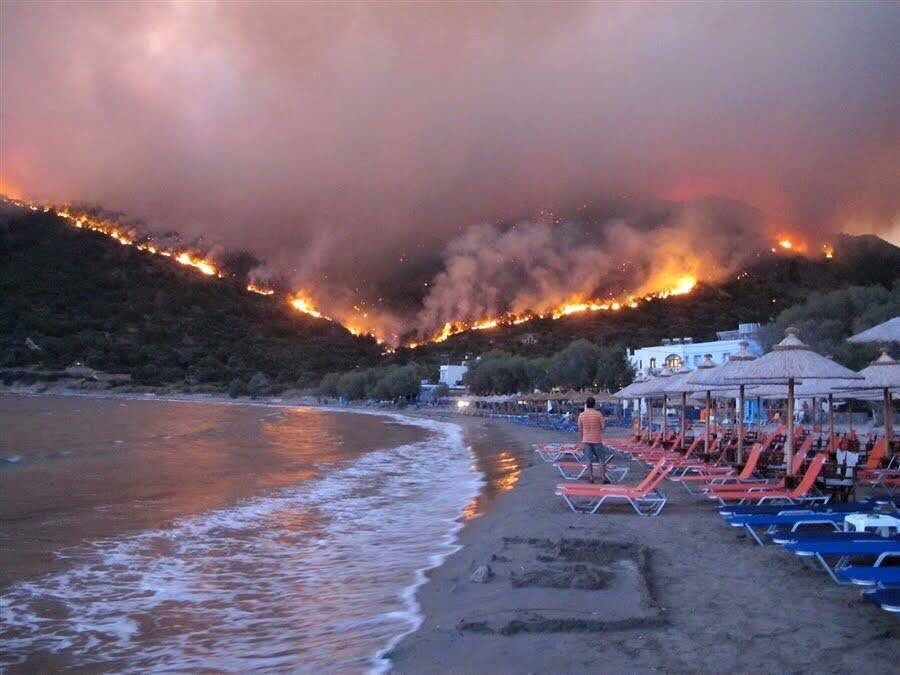
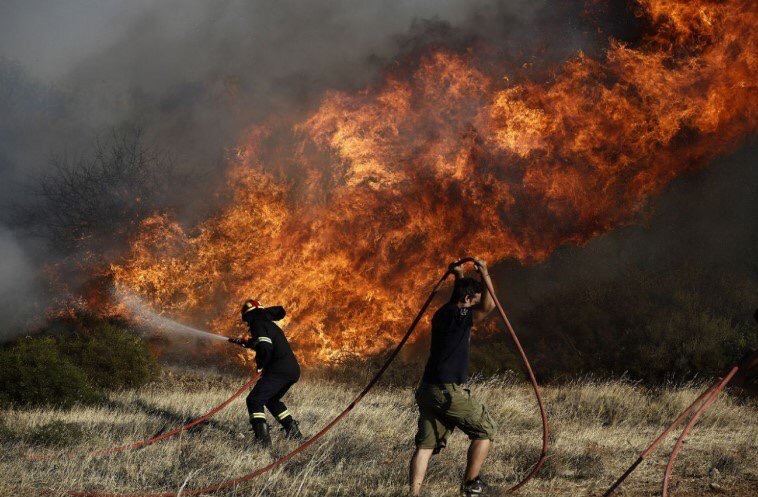
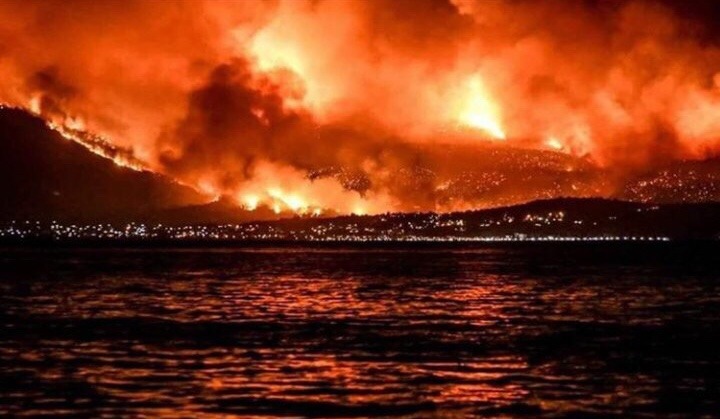
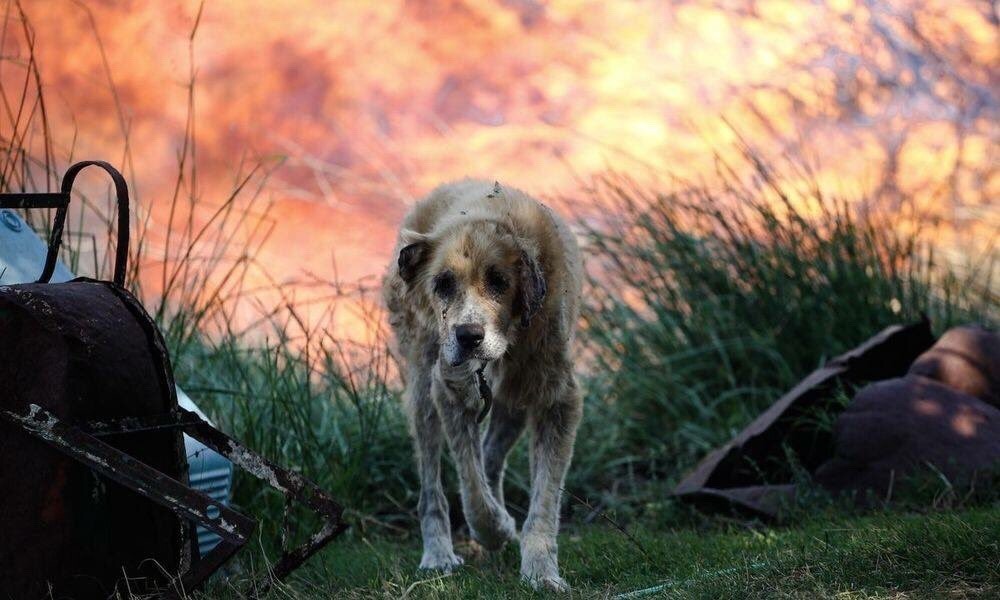
not included in the article is the rumor that the simultaneous fires were an act of arson to clear out seaside property for resort development. don’t quote me on that, but that’s the going theory.
on june 12, the same mainstream gay media that has remained silent on the close into 5,000 deaths in puerto rico, which included lgbtq boricuas, will dominate and erase queer & trans boricua voices in their coverage of the 2 year anniversary of the pulse massacre. this is why we must remain to speak our stories to each other. always. every gawd damn day.
.
so on this day of the national puerto rican day parade, i raise up all of the queer and trans boricuas i shared time and space with during my time in puerto rico. they continue to remind me of the resiliency and pain of the queer and trans boricuas on and off of the island.
.
photo taken by @lou_rok during the san juan pride parade on june 3, 2018.






 alder-knight